Craft Focus01 Feb 2022Nandana hand block printed textiles: The forgotten cultural legacy of Madhya PradeshWhile researching and reading about Nandana, many questions cross our mind. Why is it that many textile crafts of India have languished for ages? Is it because of the complex, time-taking, labour-intensive process involved in making it? Or is it the lack of continued royal patronage or apathy of other organizations? At least in the case of Nandana, apparently, since the craft has remained totally confined to a tribal community, it seems to have missed sustainable sources of support – both socially and financially. On the surface, the story of Nandana hand block printing sounds similar to any other languishing textile craft of India. However, when you dig deeper, you realize how this craft had its unique origins, purpose and technique much akin to the name derived from ‘Naand’ the pot which was used to prepare indigo dye. Let’s learn more about the craft and how it can be saved from further decline along with possibilities of restoring its original glory.Read Article
Craft Focus03 Jan 2022Namda: The vanishing felt wool craft from Kashmir on its way to revivalKashmir is well-known for crafts like Pashmina shawl and Sozni embroidery. The scenic beauty and the climate have also inspired other wool crafts like Namda, now on its way out. Though these traditional crafts have been sustainable sources of livelihoods for artisans from many regions in Kashmir, today, both the craft and the crafts persons are going through tough times! Especially, the Namda craft which has caught the attention of the government and the exporters to ensure its revival and restore its potential to empower people and develop local economy. In case you had visited any stall of Kashmiri handicrafts in an exhibition or tried buying a souvenir from Kashmir, few decades ago, Namda rug or a Namda jacket would have been on your list. Today, it’s hard to find them being displayed in stores and exhibitions, with hardly a few craftsmen practicing it, signally the decline of the craft!Read Article
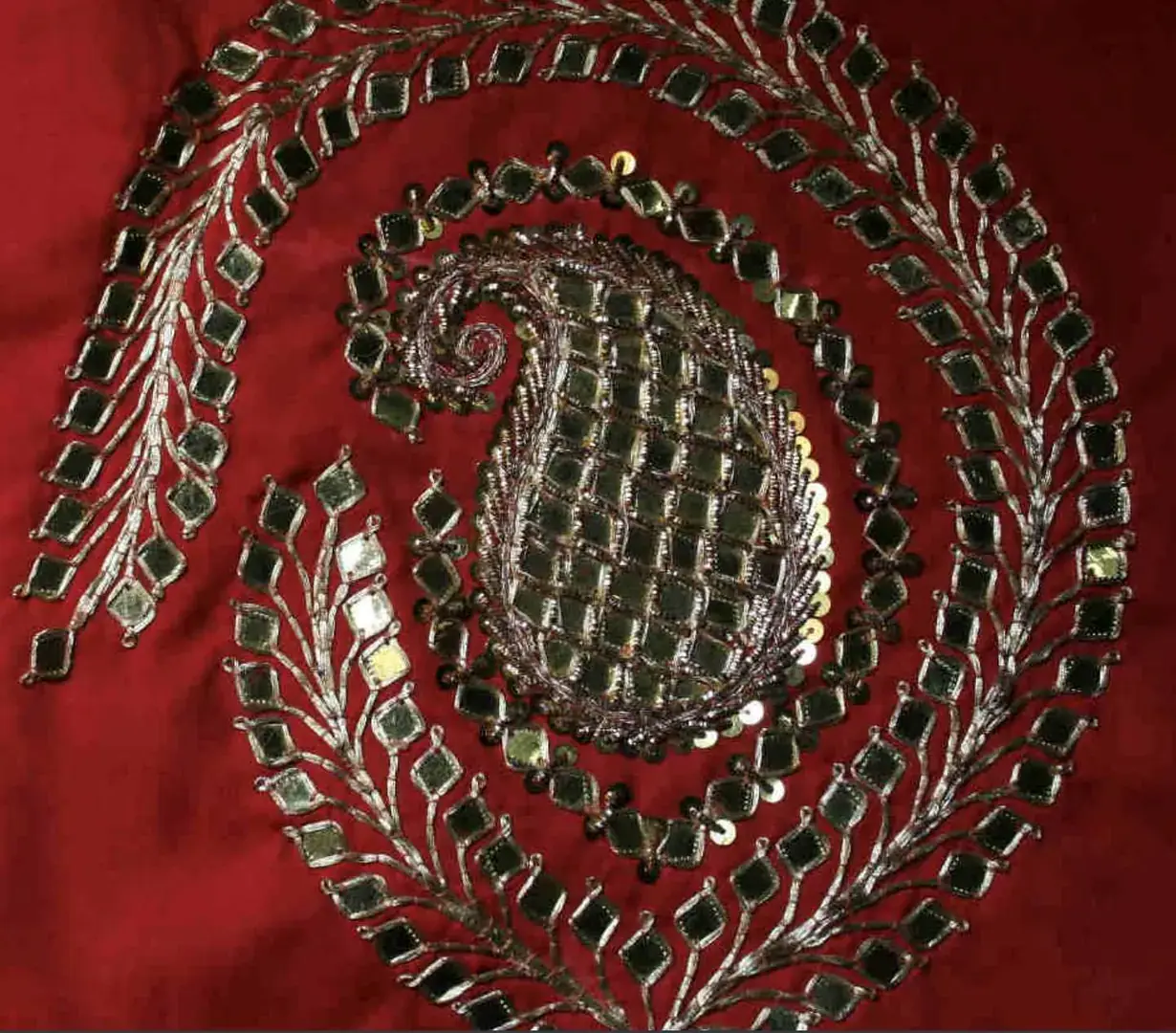
Craft Focus03 Jan 2022Danka Embroidery – time to unveil it to the rest of the worldMany traditional crafts in India are on the verge of extinction. Often labeled as languishing or vanishing crafts, they need our utmost attention to preserve the valuable heritage and propagate the craft through sustained education, training and skill development. One such craft has its roots in Udaipur, Rajasthan.Read Article
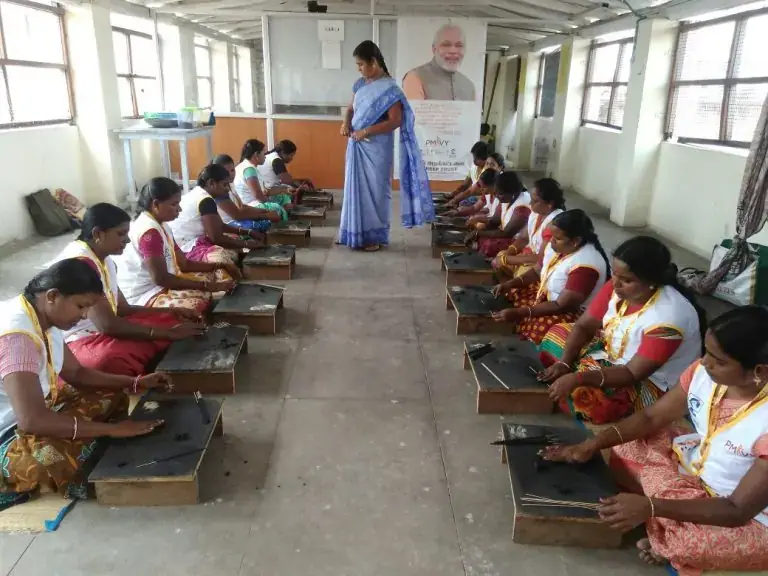
Skill Development18 Nov 2021Need for Skill Development and Vocational Training for Traditional Handicrafts and Carpet Clusters in IndiaBeing mostly unorganized and predominantly family-bound or promoted by SHGs, the handicrafts sector faces a severe shortage of skills and knowledge that can help the sector grow, sustain and scale. How does the lack of skills affect the artisans and handicraft clusters? Let’s look at few important aspects of why skilling and vocational training should take precedence for any scheme in this sector.Read Article
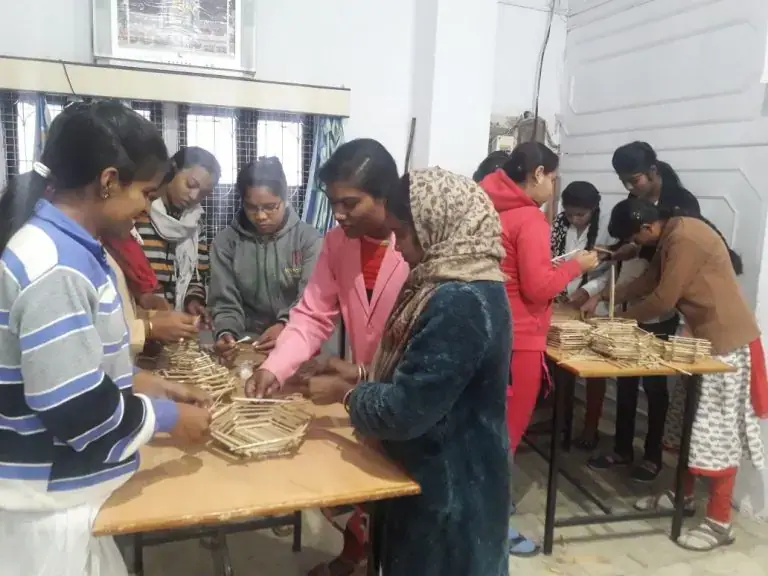
Skill Development15 Nov 2021Why organized and formal training is needed for skilling and upskilling in handicrafts and carpet sectorInformal learning plays an important role in ‘kaarigari’ or craftsmanship. Most artisans (kaarigars) learn on their own by observing the seniors and acquire the knowledge and skills to create an artefact. The dexterity with which they use their fingers to mould the clay, or chisel the wood or use a tool, comes with years of practice and perseverance. In order to preserve the craft and the skills, we need to train and educate the younger generation.Read Article
Policy Updates05 Nov 2021Why handicrafts education and training must start at the school level in IndiaAs per one of the state skill development portals, a quick look at job-oriented skilling in the Handicrafts and Carpet sector provides the following information about job roles: Bamboo basket maker Hand rolled agarbatti maker Jute product stitching operator For the above job roles, the candidate has to be 5th class pass and apparently these are entry level job roles. However, the scope of the Handicrafts and Carpet sector is so huge that it has tremendous potential to provide job and entrepreneurship opportunities to many youth in India. The question we need to ask at this juncture is how prepared are we to tap the potential of this extensively rural-based industry sector? Particularly, in the backdrop of the fact that most artisans have acquired the skills informally as it was passed on from generations and the professions are limited to certain families. Also, their literacy levels are quite low and their awareness about the markets and business is poor. This makes it difficult for younger generations to continue the family tradition and they prefer to migrate to cities in search of better livelihood opportunities. A ray of hope and lot of positive reinforcement comes in the form of the support from the policy makers who laid special emphasis on arts, crafts and creative education in National Education Policy 2020.Read Article